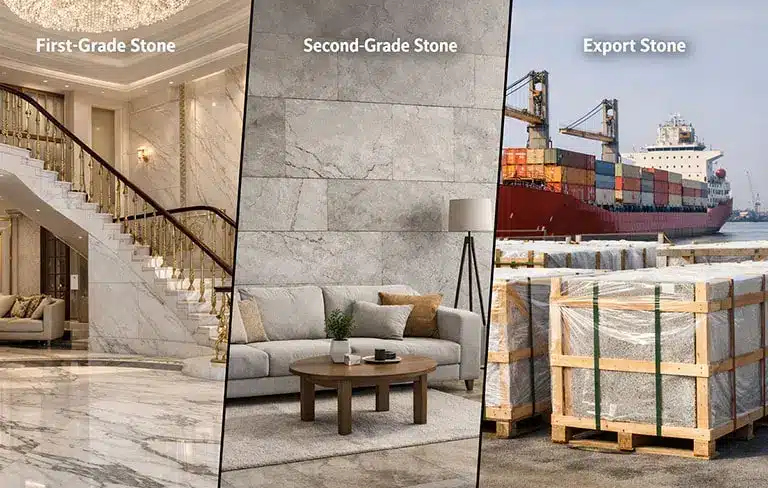



What Is the Difference Between First-Grade, Second-Grade, and Export Stone?
2025-12-20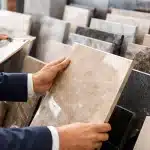
Common Mistakes When Buying Building Stone You Must Avoid
2026-02-25Guide to Identifying High-Quality Building Stone from Low-Quality Stone
Choosing high-quality building stone is one of the most important steps in construction and architectural design. Low-quality stone not only reduces the visual appeal of a project but also leads to higher maintenance and replacement costs over time. In this comprehensive guide by Mr. Silver, you will learn how to accurately distinguish premium building stone from inferior materials.
Importance of Identifying Quality Building Stone
Building stone is widely used due to its durability, luxurious appearance, and the added value it brings to a property. However, not all stones offer the same level of quality. Proper identification helps to:
- Increase the lifespan of the building
- Maintain long-term aesthetic value
- Reduce future repair costs
- Ensure the right stone is chosen for the right application
1. Appearance and Surface Uniformity
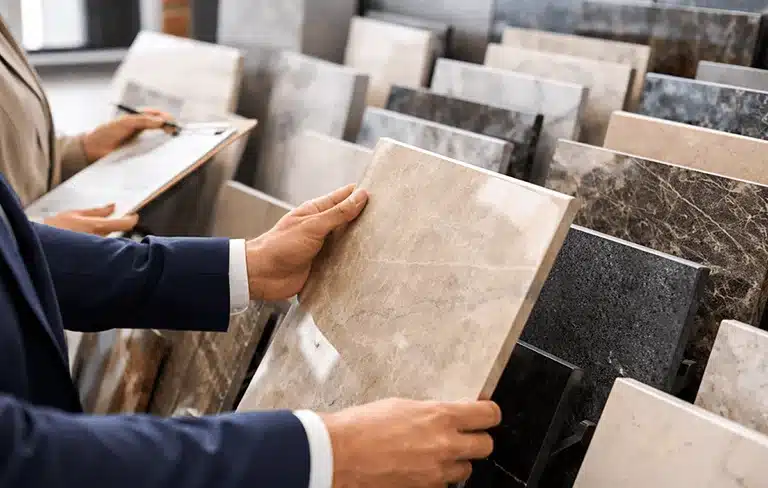
The first step in identifying high-quality building stone is a close visual inspection.
Characteristics of quality stone:
- Natural and uniform color
- Balanced and consistent veining
- Smooth and even surface (for processed stones)
- No visible cracks, holes, or unnatural stains
Low-quality stones often show color inconsistency, micro-cracks, or surface defects.
2. Water Absorption Test
Water absorption is a key indicator of stone quality.
Simple test: Pour a few drops of water on the surface:
- Rapid absorption → low-quality stone
- Water remains on the surface → high-quality stone
Stones with high water absorption are vulnerable to moisture, freezing, and pollution.
3. Strength and Durability
Quality building stone must withstand pressure, impact, and abrasion.
Signs of strong stone:
- Clear ringing sound when tapped
- Solid edges without chipping
- Appropriate weight relative to size
Weak stones tend to crack or break during installation or use.
4. Processing and Cutting Quality
Proper processing plays a major role in final stone quality.
High-quality stone features:
- Precise and uniform cuts
- Consistent thickness
- Clean, undamaged edges
- Smooth, glossy polishing without waves
At Mr. Silver, stones are processed using advanced machinery and strict quality standards.
5. Back Surface Inspection
The back of the stone reveals important quality clues:
- Excessive cracks indicate weakness
- Overuse of resin suggests poor stone structure
- Standard mesh backing reflects professional processing
6. Suitability for Application
Even premium stones must be selected according to their application:
- Facade stones: resistance to climate and UV
- Flooring stones: high abrasion resistance
- Wet areas: low water absorption
Incorrect selection leads to poor performance even with good materials.
7. Buying from a Trusted Supplier
The safest way to purchase high-quality building stone is choosing a reliable supplier.
Why Mr. Silver:
- Guaranteed stone quality
- Wide product variety
- Professional consultation
- Transparent and fair pricing
Conclusion
Identifying high-quality building stone requires attention, knowledge, and experience. By evaluating appearance, water absorption, strength, processing quality, and supplier credibility, you can make a confident and long-lasting choice. Mr. Silver is your trusted partner for premium building stone solutions.